
Okay, so check this out—I’ve been poking around wallets for years and the web-only Phantom idea hit me different. Wow! It felt like somethin’ obvious and novel at the same time. My first thought was: “That’ll be slower, right?” Seriously? But then I tested a prototype and my instinct said, huh, this might actually work. Initially I thought browser wallets were doomed to be clunky, but then realized modern web runtimes and ephemeral session keys change the calculus.
Phantom on the web strips away app store friction. Short sentence. It also reduces friction for newbies who are used to signing in with a click, not installing yet another app. Hmm… On one hand mobile apps give nice UX hooks and deep OS integration; on the other, web wallets can be updated instantly, patched quickly, and distributed via a single URL. Actually, wait—let me rephrase that: web access doesn’t replace mobile, it augments it, giving users a casual route into Solana before committing to a full install.
Here’s the thing. A web-first Phantom lets developers meet users where they already are: in the browser. A good web wallet can do account abstraction patterns, session timeouts, and easy recovery flows that feel familiar. That matters. For many people in the US, the mental overhead of “download, setup, backup seed phrase” is a real barrier. This removes a layer of friction without completely discarding security principles.
Security trade-offs exist though. Short thought. If you keep keys in memory and rely on ephemeral signatures, you gain convenience but surface new attack vectors. My gut said early prototypes might be risky, and testing bore that out—browser sandbox escapes and clipboard attacks are real threats. On the flip side, hardware-backed signing via WebAuthn and secure enclave flows are becoming more mature, so those risks are manageable if handled properly.
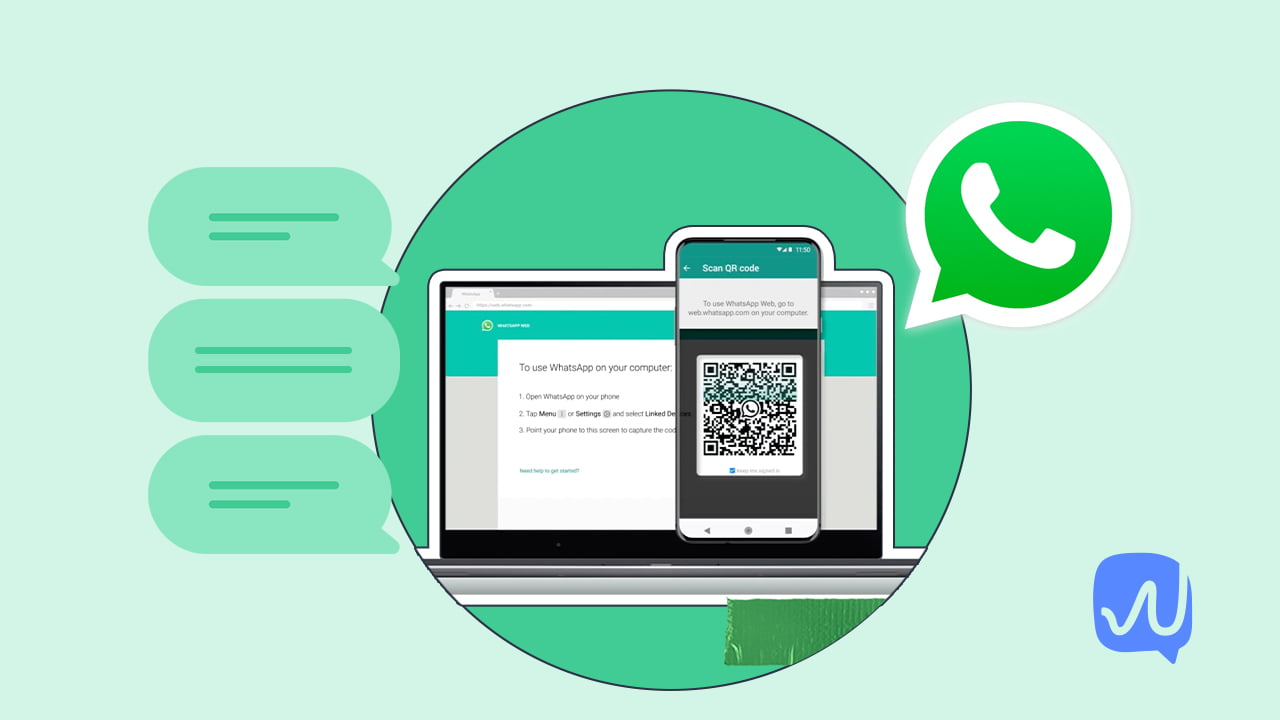
How it would fit with Solana dApps
Web dApps on Solana are fast and cheap to interact with, so the wallet should be just as quick. Short. A web Phantom can expose a slim API for signing transactions, pre-flight checks, and transaction simulation to reduce failed transactions. My experience building dApp integrations taught me this: when the wallet returns consistent errors and friendly retry hints, user retention goes way up. I’m biased, but the right UI copy matters as much as cryptography sometimes.
Here’s a rough flow that feels natural—connect with a one-time ephemeral session, review the transaction in a modal, sign via WebAuthn or a connected ledger, then optionally elevate to a persistent keypair stored in local secure storage. Sounds simple, and it can be, though the engineering is subtle. On one hand you want minimal prompts; on the other you need clear consent and auditable signing. Balancing those is the craft.
Check this out—if you want to try a web-first Phantom prototype and see how it behaves in your browser, go here. Really. That link leads to a demo environment and some docs (oh, and by the way… the demo uses simulated ledger flows so you can feel the UX without risking funds).
Developer ergonomics are huge. Medium sentence length here to explain. When dApp authors can call an uncomplicated connect() and receive a stable session object, they can iterate faster. That small quality-of-life improvement unlocks experimentation and ultimately better products. But alas, browser wallet APIs still vary in subtle ways and the ecosystem needs some consolidation.
I’ve seen failed approaches too. Long painful example follows: teams that tried to replicate mobile metaphors directly in the browser ended up with bloated UI and confusing permission dialogs, because desktop mental models differ from phone mental models and users don’t want identical experiences in every context. So the better path is to design web-first interactions tailored to desktop and mobile browsers, though actually doing that takes time and user testing.
Practical UX patterns that matter
Short note. First: transaction simulation and clear gas/fee preview. Second: reversible session scaffolding for novice users—temporary sessions that expire if unused are a huge win. Third: progressive permissioning—ask for minimal permissions first and request more only when you need them. These patterns reduce fear and increase trust.
On a technical level, content scripts, secure iframes, and strong messaging should be employed to prevent clickjacking and phishing. My instinct said multi-layered defenses would be necessary, and security reviews confirmed it: throw layers at the problem, not just one big door. Initially I thought a single origin policy would suffice, though that turned out to be naive; cross-origin interactions and embedded widgets complicate things greatly.
Integration with hardware wallets matters. People still like ledgers. Long sentence to explain why: ledger support via WebHID or WebUSB gives an auditable signing path for high-value transactions and builds trust for power users, while WebAuthn covers most everyday flows for regular users with built-in secure elements. On balance, offering both is the pragmatic approach.
What bugs me about most wallet UIs is they assume too much knowledge. Short. The UX should scaffold users with just-in-time education. Tooltips, inline examples, and friendly error messages are low-hanging fruit. Also, don’t force the seed phrase ritual on every new interaction—offer alternatives like social recovery or custodial bridges for those who want them, though keep non-custodial options clearly visible.
FAQ
Is a web wallet as secure as mobile or desktop wallets?
Not inherently. Security depends on architecture and user behavior. A well-built web wallet that uses hardware attestation, WebAuthn, transaction simulation, and ephemeral sessions can be very secure for most use cases. For huge holdings, combine with a hardware wallet. I’m not 100% sure on every edge case (browsers change fast), but the baseline is: implement layered defenses, test frequently, and educate users.
Will web wallets replace mobile wallets?
Nope. They complement each other. Web wallets lower the activation cost and make dApps easier to try, while mobile/desktop apps provide deeper integrations and sometimes better offline protections. On one hand web access broadens reach; on the other, native apps retain their niche for advanced users.